Early Intervention: Ages 7 - 10
Sometimes the best time to start orthodontic treatment is now. Sometimes it’s not quite time yet — and that’s okay.
Early orthodontic visits give us the opportunity to look beyond just straight teeth and understand how your child’s teeth, jaws, bite, and facial growth are developing. We’re especially interested in how the upper and lower jaws are growing, how the teeth are coming in, and whether there are signs that a child’s bite or airway development may benefit from some extra attention.
When treatment can help, we may recommend an expander or another growth-guided appliance to make the most of the years when your child is still growing. The goal isn’t to start treatment simply because we can. It’s to intervene when there’s a reason to — and to be thoughtful about when, why, and how much treatment your child actually needs.
We want parents to feel informed and kids to feel heard. We’ll explain what we’re seeing, talk through your options, and make decisions together. Sometimes the best orthodontic plan is to wait and watch. Sometimes it’s an expander. Sometimes it’s braces. And sometimes it’s simply coming back in six months so we can see how things are changing.
Our job is to guide the growth we can, watch the things we can’t control, and make sure you never feel like you’re being asked to do more treatment than your child actually needs.
Frequently Asked Questions About Early Intervention
-
We recommend an initial orthodontic evaluation around age seven, when enough of the adult teeth have started coming in for us to get a meaningful look at your child’s developing bite.
That doesn’t mean your seven-year-old needs braces.
It simply means seven is a great age to start paying attention. Early evaluation gives us the opportunity to identify potential concerns while your child is still growing — and, just as importantly, to reassure you when everything is developing right on track.
If it’s not time for treatment, we’ll tell you. And if something needs attention, we’ll explain why and walk you through your options.
No pressure. No unnecessary treatment. Just a plan for your child’s growing smile.
-
Nope! You don’t need a referral to see us. If you’re wondering whether your child is ready for an orthodontic evaluation, you’re welcome to schedule directly with us.
We love working alongside your child’s dentist, pediatrician, speech therapist, myofunctional therapist, or ENT and we’re always happy to collaborate with the rest of your child’s care team. But you don’t have to wait for someone else to tell you it’s time.
If you’re wondering, come see us. We’ll take a look, answer your questions, and let you know whether your child is ready for treatment, ready to be watched, or simply doing great right where they are.
-
Not necessarily! In fact, sometimes waiting is exactly what we don’t want to do.
An orthodontic evaluation around age seven gives us a chance to look at how your child’s teeth, jaws, bite, and facial growth are developing while there’s still plenty of growing left to do. Some problems are easier to address while a child is growing — especially concerns involving jaw development, crossbites, significant crowding, or the way the upper and lower jaws fit together.
That doesn’t mean your child needs braces at seven. Sometimes the best thing we can do is simply keep an eye on things while they grow. Other times, an expander or another early intervention can make a meaningful difference.
Our goal is never to start treatment just because we can. It’s to start when it can actually help. We’ll let you know what we’re seeing, what your options are, and whether we think it’s best to do something now or give your child more time to grow.
-
You know your child better than anyone, so if something about their smile, bite, or the way they breathe doesn’t seem quite right, it’s always okay to ask.
Some things we may want to take a closer look at include:
Crowded, overlapping, or blocked-out teeth
Teeth that are coming in very early, very late, or in an unusual position
A crossbite, underbite, or significant overbite
Difficulty biting or chewing comfortably
The upper and lower jaws not seeming to fit together properly
A lower jaw that appears significantly behind or ahead of the upper jaw
An upper jaw that appears narrow or a smile that seems very constricted
A thumb or finger habit that continues as permanent teeth begin to come in
Trouble keeping the lips comfortably closed at rest
Some things that could specifically be airway related include:
Mouth breathing, especially during sleep
Frequent snoring or restless sleep
Bed wetting
ADD/ADHD symptoms
None of these automatically means your child needs orthodontic treatment. They’re simply good reasons to have someone take a look.
And sometimes there’s no obvious sign at all — that’s why we recommend an orthodontic evaluation around age seven. We can look at what’s happening beneath the surface and, if everything is developing just as it should, give you the best news of all: nothing needs to be done right now.
-
You’re not imagining it! You may start noticing braces popping up everywhere around second, third, and fourth grade. But that doesn’t mean every child needs braces at the same age.
Some orthodontic problems are best addressed while a child is still growing. An expander, for example, can take advantage of growth in the upper jaw in a way that simply isn’t possible once growth is complete. Other children may have significant crowding, a crossbite, or a jaw relationship that we want to address early.
And then there are plenty of kids who are seven, eight, or nine and aren’t ready for treatment at all.
That’s why we don’t believe in treating children just because their friends are getting braces. We look at your child’s individual growth, development, bite, and goals and decide together whether it makes sense to do something now, keep an eye on things, or wait until they’re older.
Your child doesn’t have to keep up with the neighborhood. Their smile gets to grow at its own pace.
-
Maybe — but that’s not the goal of Phase 1.
We know that the idea of “two rounds of braces” can sound expensive and, honestly, a little frustrating. So we never recommend early treatment simply to get your child into braces sooner.
The goal of Phase 1 is to take advantage of the growth your child has left to address specific problems that may benefit from early intervention — things like jaw development, significant crowding, crossbites, or a narrow upper jaw.
Sometimes Phase 1 can make later treatment much more straightforward. Sometimes it can make a second phase shorter or simpler. And sometimes, depending on how your child grows and how their teeth develop, Phase 2 may not be necessary at all.
But we can't predict that with certainty when your child is seven or eight. Growth is part of the equation, and every child responds differently.
That’s why we’re conservative about recommending Phase 1. If we don’t think early treatment will meaningfully benefit your child, we’ll tell you. And if we do recommend it, we’ll explain exactly what we’re hoping to accomplish and how it fits into the bigger picture.
Our goal isn't to sell you two phases of treatment. It’s to use the opportunities we have while your child is growing to set them up for the best possible outcome.
The Smile Miles Program
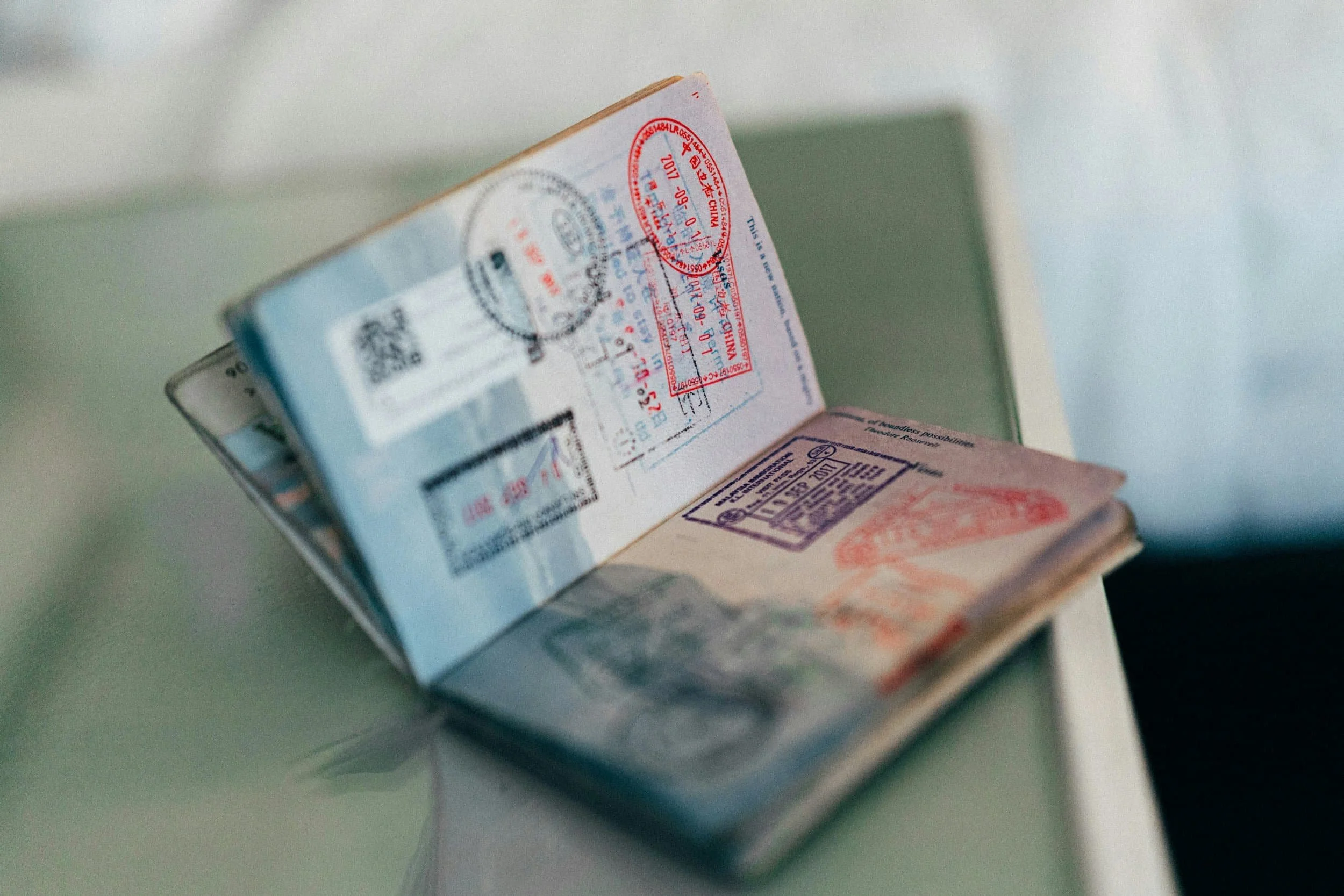
Not every growing smile is ready for braces — and that’s exactly why we created our Smile Miles Program complete with a Smile Passport. While your child is growing, we’ll keep an eye on their teeth, bite, jaw development, and airway-related signs at regular observation visits. Each visit earns a stamp in their Smile Passport, and when they’re ready for treatment, they can trade their completed passport in for a special surprise!